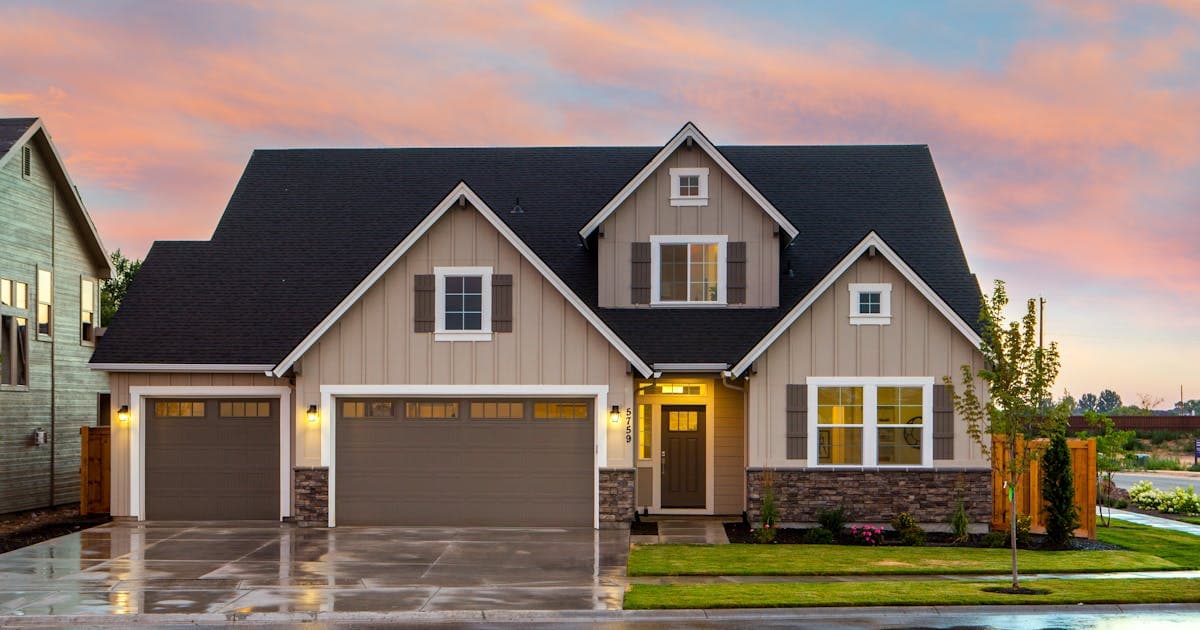
How to Win a Bidding War on a House in 2026: 10 Proven Strategies
You found the home you love. You submitted your offer. And now you've just learned there are multiple competing offers on the table. Here are 10 proven strategies for winning a bidding war in 2026 — without necessarily having to offer the most money.
1. Get a Full Pre-Approval Before You Start Shopping
Even better than a standard pre-approval: ask your lender for an underwritten pre-approval (sometimes called a "credit approval" or "DU approval"). An underwriter reviews your full file before you've even found a home — this is the strongest possible signal to a seller that your financing won't fall apart.
2. Submit Your Offer Quickly — With No Errors
In competitive situations, speed matters. A well-prepared offer submitted the same day you tour the home is often more effective than a perfect offer submitted two days later. Make sure it's complete and error-free.
3. Offer a Strong Earnest Money Deposit
Standard earnest money is 1%–3% of the purchase price, but in competitive situations, offering 3%–5% or more signals commitment and financial strength. The money is simply applied at closing if the deal closes.
4. Use an Escalation Clause Strategically
Example: "I offer $450,000, and agree to escalate $2,000 above any competing offer, up to a maximum of $485,000." Set your cap at your true maximum and use increments large enough to matter ($5,000–$10,000 on a $500,000+ home).
5. Minimize Contingencies Carefully
Consider an appraisal gap coverage clause instead of a full appraisal waiver. Modify the inspection contingency to "informational only" rather than eliminating it. Never waive a title contingency.
6. Offer Flexibility on the Closing Date
Before submitting, have your agent learn the seller's timeline preferences. A buyer who offers $5,000 less than the top bid but can close on the seller's preferred date may win the deal outright.
7. Write a Personalized Offer Letter (Where Permitted)
A 2–3 paragraph letter can convey why you love the home, who you are as a buyer, and your commitment to closing. Keep it positive, brief, and genuine. Note: some states advise against letters due to fair housing concerns — ask your agent.
8. Cover the Seller's Closing Costs
Instead of raising your offer price, consider covering some or all of the seller's closing costs (typically 1%–3% of the sale price). The seller's net proceeds can be identical but your offer stands out structurally.
9. Work with a Well-Connected Local Agent
In competitive situations, the relationship between buyer's and listing agent can matter more than buyers realize. A listing agent who knows and trusts your agent is more likely to advocate for your offer to the seller.
10. Know (and Respect) Your Ceiling
Set a firm maximum before the competition starts — and don't exceed it. Calculate the true total monthly cost of ownership at the price you're offering: mortgage, taxes, insurance, and HOA. Winning at a price that leaves you financially stressed isn't actually winning.
What to Do If You Lose
Ask your agent to find out why — was it price, terms, or timing? This intelligence is valuable for your next attempt. Also ask if you can be first backup if the winning buyer falls through; deals do collapse after acceptance.
Bottom Line
Winning a bidding war in 2026 isn't always about paying the most — it's about presenting the most compelling overall package. A strong pre-approval, clean offer, flexible timeline, and well-connected agent can give you a real edge.